bim-3Online + On-Site
Biodiversity Manager
A certificate program on biodiversity strategy, ecosystem protection, and nature-positive decision making.
€0.00
Discover More
Step-by-step: brochure, call, application, enrollment.
A certificate program on biodiversity strategy, ecosystem protection, and nature-positive decision making.

Biodiversity & Business Sustainability is a five-month EIIS programme that treats nature loss as a strategic business issue rather than a purely environmental one. Across eleven modules it moves from the fundamentals of ecosystems, forests, soils and oceans, to how biodiversity affects sectors such as food, healthcare and pharma, real estate and energy, and finally to the policy, finance and risk tools organisations use to respond. The closing modules focus on ESG integration and credible communication, so that claims can be measured and defended. It suits sustainability and business professionals, ESG and finance specialists, and people working with NGOs or conservation, and prepares them for roles such as biodiversity strategy manager, nature risk specialist or nature finance advisor. Delivery is in English, self-paced online with three days on site in Rome.

A nine-month multidisciplinary master's programme on how food is produced, traded and managed at a time of climate pressure, geopolitical instability and shifting regulation. Across 14 online modules plus on-site days in Rome and Umbria, participants build systems thinking, strategic decision-making and the ability to connect sustainability with business performance, guided by an international faculty drawn from universities, companies and international organisations. It is designed for managers, entrepreneurs and professionals working in institutions, NGOs and consulting, and opens paths towards roles such as food systems analyst, sustainable supply chain manager or sustainability consultant. No specific academic background is required, and participants who complete the programme receive a certificate of completion.

Sustainability Management is an executive programme on the innovative business strategies organisations need to adapt to climate change. Over five months it moves from understanding the wider business and regulatory context, to redesigning business models, to leading sustainability inside an organisation, covering energy and decarbonisation, carbon and water management, the circular economy, innovation and sustainability communication. It is designed for managers, professionals and entrepreneurs who want to treat sustainability as a core strategic and risk-management discipline rather than a compliance exercise. Delivery is in English and combines self-paced online study with a three-day on-site session in Rome, preparing participants to take on sustainability leadership roles.

The Master in Space Entrepreneurship explores the business side of the new space era, where satellite data, connectivity, climate intelligence, security and logistics are becoming strategic drivers across industries. Delivered online over twelve months and rounded off by a two-day on-site experience at Airbus headquarters, its fourteen modules cover entrepreneurship fundamentals, innovation for sustainability, strategic partnerships, venture capital and funding, space technology, exploration and tourism, and space law and policy. It is built for entrepreneurs launching space-enabled ventures, professionals applying space technologies to strategic decisions, and investors scouting emerging markets, with no particular academic or professional background required. Graduates target roles such as space startup founder, space investment analyst or business development manager.

The Master's in Sustainable Development is a one-year global programme designed for people who want to understand how climate, economics and governance interact, and who want the tools to act on those systems rather than just describe them. Taught in English and directed by Prof. Jeffrey D. Sachs, it draws on faculty from Columbia University, LUMSA and international research institutes, and is built around the UN 2030 Agenda. The path spans twelve courses and a capstone project across three terms, delivered online and completed by a three-day on-site experience in Rome with a deliberately small cohort. Graduates receive a first-level professional Master's degree and a systems-thinking foundation for careers in sustainability policy, development and impact-driven organisations.

The Master in AI & Ethics: Challenges and Opportunities is an English-language programme built around the idea of designing ethical frameworks for the AI era. Over nine months it brings philosophers, engineers and policymakers into the same room, moving across twelve modules and a series of masterclasses that cover machine learning, decentralised and generative AI, questions of control and accountability, and the effects of artificial intelligence on work, society and creativity. Teaching is delivered online and completed by a three-day on-site experience in Rome with an international cohort. It suits professionals from technical, policy or philosophical backgrounds who want to move into strategic roles where AI governance decisions are actually made.

The Food Management executive program explores the economic, geopolitical and technological forces reshaping the global food industry, and turns them into a practical lens for business decisions. Across eleven modules it moves from food culture, history and the geopolitics of supply to ingredient pricing, sustainability trade-offs, business-model design, consumer trends, branding, food finance, health and longevity, and the role of AI and new technology. It is aimed at food entrepreneurs, managers and decision makers, and professionals across the value chain who want to anticipate change, innovate their offering and strengthen their business. Delivered in English over four months, it combines self-paced online study with a three-day on-site experience in Italy, taught by faculty from institutions such as the UN World Food Programme, FAO and Barilla, and leads to a Certificate of Completion.
Business & Human Rights is an EIIS certificate programme that explores how respect for human rights is becoming a core dimension of corporate responsibility, ESG strategy and sustainable business. Across sixteen modules built around three pillars - internal company practices, supply chain responsibility and community engagement - participants learn to recognise human rights risks, apply the main international frameworks and translate principles into everyday business practice. It is designed for sustainability and business professionals, NGO and impact practitioners, and leaders who want to embed responsible conduct in their organisations. Delivered in English over four months, it combines online sessions with three days on site in Geneva, is run in partnership with WWF, and draws on faculty from UN organisations and industry. Participants who complete the sessions and the final Challenge receive a certificate of completion.

Fashion & Sustainability Management is a certificate programme for professionals who want to understand and lead the fashion industry's transition to more sustainable practices. Structured around three progressive pillars, it works through the value chain: the environmental footprint of materials and production, social responsibility and the cultural role fashion plays, and the innovation side of the picture - circular design, traceability, digital solutions, certifications and ESG reporting. It is aimed at designers, sourcing and supply-chain specialists, sustainability and CSR managers, and anyone working within the fashion system who needs practical, current expertise rather than theory alone. Teaching combines online study with three days on site in Milan, and participants work on a real-world challenge project before graduating with a certificate.
Manager della Biodiversità è il percorso di certificazione EIIS dedicato a chi vuole trasformare l'interesse per la natura in una competenza professionale. In quattro mesi il programma accompagna i partecipanti dalla comprensione del valore della biodiversità alla conoscenza degli ecosistemi italiani, fino agli strumenti concreti di gestione, conservazione, tutela e comunicazione ambientale. La formula unisce le lezioni online a un'esperienza sul campo di tre giorni in un'Oasi WWF, con venti moduli organizzati in quattro pilastri progressivi. Si rivolge a chi punta a ruoli nella gestione delle aree protette, nella conservazione marina e terrestre, nel turismo naturalistico, nella divulgazione ambientale o nella consulenza alle imprese per la transizione ecologica.
The Food & Sustainability Certificate Program examines why the global food system is failing and what it takes to repair it. Across 21 modules organised around five pillars, participants look at food beyond taste, sustainable agriculture, nutritional challenges, food loss and waste, and how to communicate sustainability credibly. Teaching comes from a multidisciplinary faculty that includes UN professionals, industry practitioners and economists, and the learning is anchored in work on a real global challenge. It suits professionals and graduates who want to move into sustainability roles within food, agriculture, retail or policy, and who need both systems-level understanding and practical tools. Delivery combines online study with a three-day on-site week in Italy, ending in a certificate.
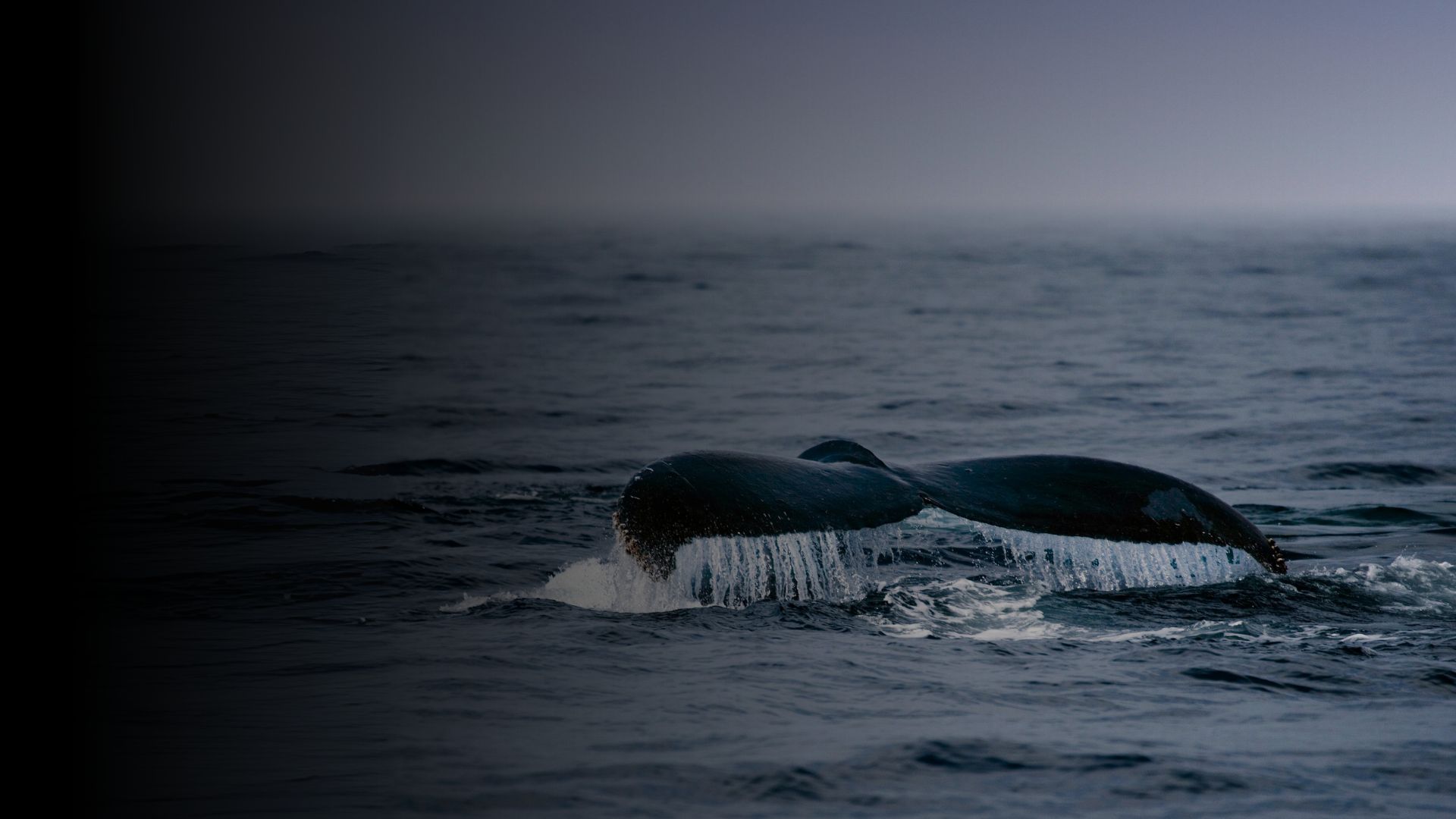
The Whale Watching Guide certificate programme trains participants to protect marine megafauna while helping build genuinely sustainable marine tourism. Across twenty modules grouped into three progressive pillars, it covers Mediterranean marine wildlife, the threats these species face and the solutions available, and the monitoring and data-collection methods used in the field, taught by marine biologists and WWF researchers. Study is online and combined with three all-inclusive days at sea in Tuscany, where learning is put into practice on the water. Cohorts are deliberately small. It suits aspiring and working guides, tour operators and conservation professionals, and leads to the Whale Watching Guide certification, awarded after the on-board assessment, live sessions and challenge work are completed.
The Biodiversity Manager certificate programme, run in partnership with WWF, trains professionals to treat biodiversity not just as something to protect but as something to understand, manage and factor into real decisions. Across 24 modules it moves through three progressive pillars: the roots and drivers of the biodiversity crisis, the solutions being deployed against biodiversity loss, and the management and conservation strategies organisations can actually apply. Teaching is delivered online in English and is complemented by a three-day field experience across Trieste, Venice and Slovenia, so learning above and below the water is grounded in real habitats. It suits people working in sustainability, conservation, policy or corporate strategy who want the technical grounding and the governance perspective to lead biodiversity work.